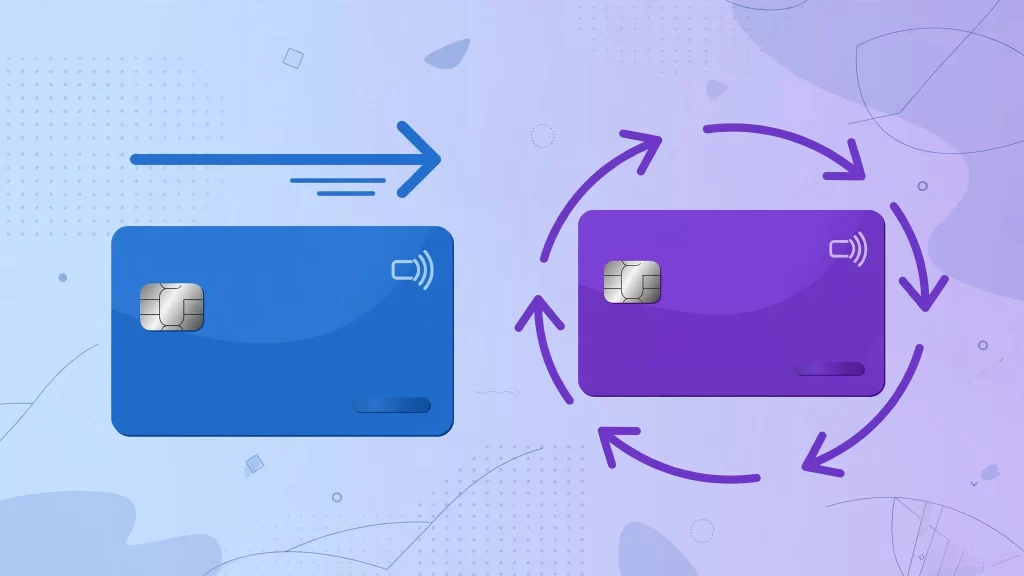
Every cash back card falls into one of two families: flat-rate cards, which pay the same cash back on everything, and rotating cards, which pay more on categories that change every few months. Both can be great. Picking the wrong one for your personality, though, means leaving money on the table. Here is how they actually compare.
What is a flat-rate cash back card?
A flat-rate card pays one steady cash back rate on every purchase, no matter what you buy or where you shop. The Capital One Quicksilver card is the classic example: groceries, gas, bills, streaming, a birthday gift — all of it earns at the same rate, with nothing to activate and nothing to remember. The Citi Double Cash card works on a similar idea, splitting the reward between the purchase and the payment, which makes it a flat-rate card with a built-in incentive to pay in full. Flat-rate cards are for people who want rewards without homework. You never check a calendar, never activate a category, and never realize at the checkout that you used the wrong card.
What is a rotating cash back card?
A rotating card pays a higher cash back rate on a set of categories that changes every quarter. The Chase Freedom Flex and the Discover it Cash Back card both work this way: one quarter the bonus might be grocery stores, the next it might be gas stations or restaurants or online shopping. The higher rate is the reward for paying attention. You activate the categories each quarter — usually with one tap in the app — and then use that card for the bonus categories while the quarter lasts.
Flat-rate vs rotating: the real comparison
- Effort: Flat-rate wins easily. There is nothing to activate and nothing to track. Rotating cards ask you to remember to activate each quarter and to know which categories are live right now.
- Earning potential: Rotating cards win on paper. The bonus categories pay more than a flat rate, so if your spending lines up with the categories, you can earn more over a year. But only if your spending actually lines up — a quarter of bonus cash back at home improvement stores does nothing for you if you never go to one.
- Simplicity: Flat-rate cards are one-card solutions. Rotating cards work best as part of a pair: use the rotating card for its bonus categories and a flat-rate card for everything else.
- Risk of missing out: With a flat-rate card, you can never miss out, because every purchase earns. With a rotating card, forgetting to activate a quarter means earning the low base rate on everything, which is worse than a flat-rate card would have paid.
Which one should you choose?
- Choose flat-rate if: you want one card, you hate tracking categories, or you mostly want rewards to happen automatically. The Capital One Quicksilver or Citi Double Cash are good places to start.
- Choose rotating if: you enjoy optimizing, you already check your banking app regularly, and your spending fits the usual bonus categories like groceries, gas and dining. The Chase Freedom Flex or Discover it Cash Back will reward that attention.
- Choose both if: you want the best of each world. Use a rotating card for its bonus categories and a flat-rate card for everything else. Two cards is more to manage, but it is the combination that earns the most for people who are willing to put in a few minutes a quarter.
The rule that beats both
No cash back strategy works if you carry a balance. Interest on a carried balance costs far more than any cash back rate, flat or rotating. The best cash back card is the one you pay in full every month — so pick the style you will actually use, set up automatic payments, and let the rewards be a bonus on spending you were going to do anyway. Rates, fees and bonus categories change often, so check the official site of any card before you apply to confirm the current terms.
Links in this article go to each card issuer’s official website. We do not earn a commission from them yet.
Leave a Reply