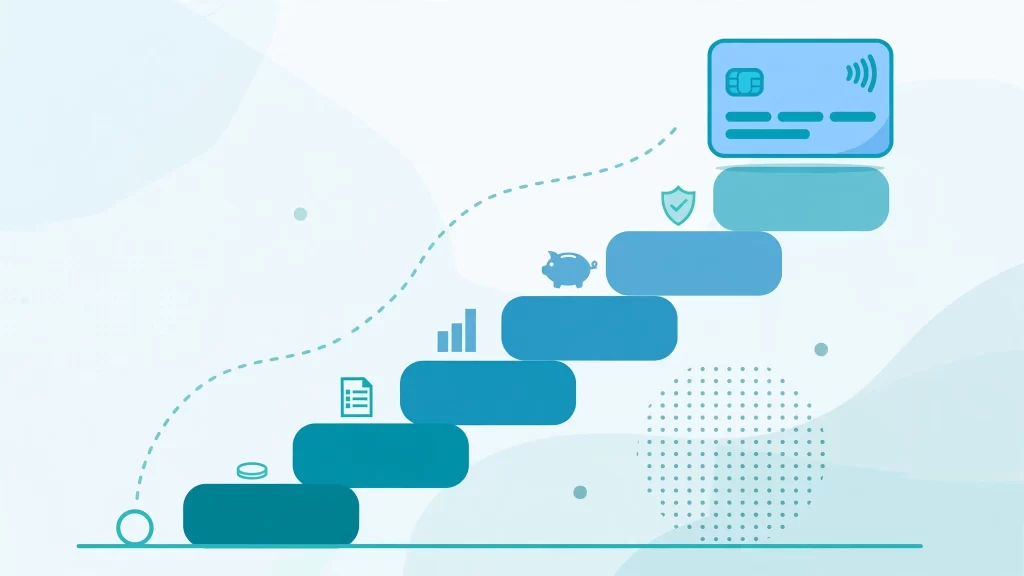
No credit history is a strange problem. You need a credit card to build credit, but card issuers want to see credit history before they give you a card. It feels like a locked door with the key on the other side. It is not locked, though. There are several proven ways to get your first card with no credit history at all. Here is how they work, from easiest to hardest.
1. Start with a secured credit card
A secured card is the most reliable way in. You put down a refundable deposit — that deposit becomes your credit limit — and the card works like any other credit card. Use it, pay it off, and the issuer reports your payments to the credit bureaus. The Discover it Secured Credit Card is a strong starting point because it earns cash back and has no annual fee, and Discover reviews secured accounts for a possible upgrade. The Capital One Platinum Secured Credit Card is another simple option with no annual fee. After several months of on-time payments, many people graduate to an unsecured card and get their deposit back.
2. Try a student credit card
If you are in college, student cards are made for you. Issuers expect students to have no credit history, so the bar is lower. Student cards usually have no annual fee and modest rewards, and they report to the bureaus just like regular cards. You will need some income to qualify — a part-time job counts — and you must be at least 18. If you are under 21, you will need to show independent income or have a co-signer, depending on the issuer’s rules.
3. Become an authorized user
If a parent or another trusted family member has a credit card with a long, clean history, they can add you as an authorized user. You get a card with your name on it, and their payment history on that account can show up on your credit report. This only helps if the cardholder pays on time and keeps the balance low. And it only works if the issuer reports authorized users to the bureaus — most big issuers do, but it is worth confirming. Never ask someone to add you to a card they struggle to pay: their late payments become your problem too.
4. Consider a credit-builder account
Chime offers a Secured Credit Builder card that works differently from a traditional card: you move money into the secured account and spend only what you moved, so there is no way to carry a balance or pay interest. It reports to the bureaus and can be a gentle first step for people who are nervous about debt. Credit-builder loans from credit unions work on a similar idea: you make monthly payments, and the money is released to you at the end. Both options build payment history without the risk of running up a balance you cannot pay.
5. What not to do
Do not apply for five cards at once hoping one says yes. Every application can cause a small, temporary drop in your score, and several in a short period looks risky to issuers. Pick one card that fits your situation, apply once, and if you are denied, wait and find out why before trying again. Also, do not pay anyone who promises to create a credit history for you overnight. There is no shortcut. Real credit history is built one on-time payment at a time.
Your first-card checklist
- Pick one path: secured card, student card, authorized user, or credit builder.
- Use it lightly: one or two small purchases a month is enough.
- Pay in full: never carry a balance if you can avoid it.
- Automate the minimum payment: so a late payment never happens by accident.
- Wait six months: then check your credit report and see your first score appear.
Getting your first card with no credit history is not about finding a trick. It is about starting small, proving you can handle it, and letting the record build. Six months from now, the door that looked locked will be open.
Links in this article go to each card issuer’s official website. We do not earn a commission from them yet.

Leave a Reply